Destinations
Where the magazine sent people
Queensland, beaches, High Country thinking, and the Kimberley-crowd problem — rewritten, not live-booked.
- State hub
- Tide first
- Camping feature
- We do not sell them
How to use this hub
- Queensland — destinations worth the drive
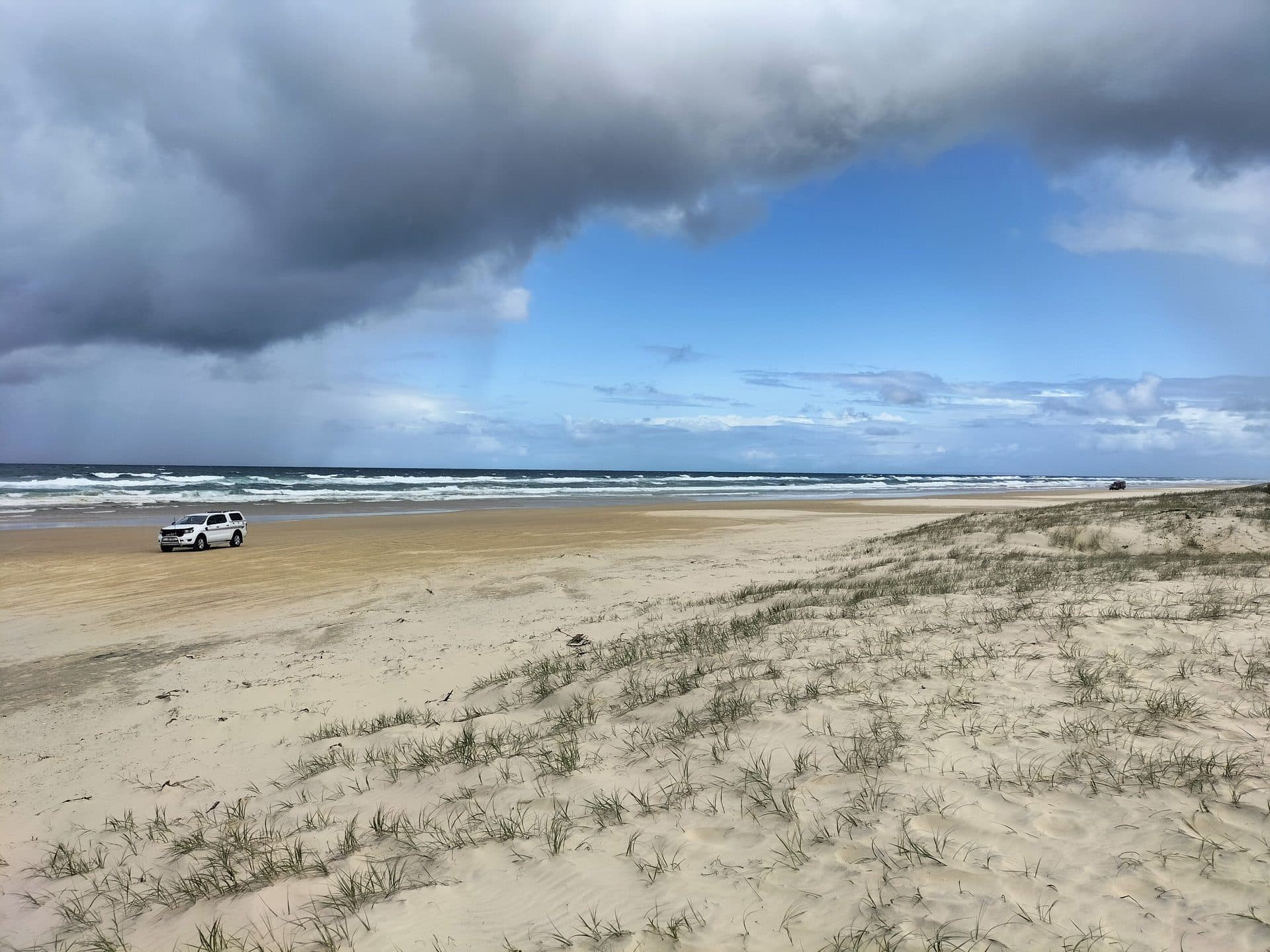
- Beach driving — sand, tide, pressures
- Tracks — High Country, desert approaches, Cape thinking
- Escape Kimberley crowds — timing and patience
- 20 epic camping destinations — the 2013 list, refreshed as orientation
We will not invent a “secret camp” that becomes a rubbish tip.
How to use this destination hub
This travel hub is the destination map for Australian 4WD touring. It does not sell tours, ferry tickets, or campsites. It points you at Queensland for cape, beach-island, and inland-range questions; beach driving for sand and tide; tracks for High Country, desert approaches, and named-place thinking; and archive features such as 20 epic camping destinations and escape Kimberley crowds.
Historic /category/travel-region/queensland 301s to the Queensland page. Forum trip reports were not rebuilt.
A map that stays honest
Queensland is not “the tropical one.” It is permits, seasons, and a long state. Beach driving is not “the fun one.” It is tide, pressures, and salt. The Kimberley is not “the empty one.” It is a dry-season crowd problem on the famous names and a closed-road problem when the wet arrives. Geehi and river country in the south-east alpine belt are not desert. They are seasonal, cold, and permit-minded. Read Geehi walls and river splendour as colour, then verify Parks Victoria or NSW Parks.
Who to call instead of this site
- Parks Australia for Commonwealth parks
- Queensland Parks and Wildlife Service
- NSW National Parks and Wildlife Service
- Parks Victoria
- NT Parks and Wildlife
- DBCA Western Australia
- Local shires for many beach accesses and stock-route questions
Beaches close for turtles, storms, and public risk. Alpine gates close for snow and recovery cost. Desert parks close for heat, fire, and flooding. None of those decisions will be live-blogged here.
Pair destinations with skills
Outback driving and recovery are not optional layers on a named track. Remote travel is the fuel and water page. Tread lightly is the ethic. Camperguide is the trailer conversation if the camp is the point.
We will not invent a secret camp that becomes a rubbish tip. We will not invent opening hours for a barge or a bowser.
Long-form notes for 4WD travel destinations
This page — 4WD travel destinations — is an evergreen hub on 4wdmonthly.com.au. It exists so a standing question has a home with a first-sentence answer, a long narrative, and links into children or siblings.
Australian 4WDing is a planning problem dressed up as a hobby. People search for a badge, a winch, or a destination and leave without a fuel number, a tide window, or a rated recovery point. This site’s job is to slow that down. Read outback driving skills if the weak link is skill. Read recovery gear if the bag is theatre. Read beach driving if the trip has a place name. Read Patrol if the platform is the argument. Read Cub Campers if a trailer is doing the sleeping.
Consider the K’gari beach system. The photos look simple. The work is not. You still need a season, a permit story, and a check-in person who knows when you are overdue. the local shire that actually signs the beach and Parks Victoria write rules this page will not override. the Bureau of Meteorology writes weather. A Facebook comment does not. Distances that look short on a wall map become long when a floodway is a river or a bowser is dry. That is why tread lightly sits beside every destination tease.
The same pattern shows up on the Canning Stock Route as a fuel-and-water problem and stock-route country west of the Great Dividing Range. Soft sand wants pressures and momentum. Corrugations want a speed that still tracks. Water wants a walk before a commit. Night wants fatigue honesty. None of those sentences is a dare to the Stuart Highway as the bitumen you return to. If you cannot see the exit, get out. If you are already spinning, you are making the hole worse. If the gate is locked, the visit is the gate.
Used metal and trailers fail the same way: mass. A canopy, drawers, a fridge, four adults, and a kitchen you bolted on spend GVM. A camper spends the tow rating. Weigh things. Read the current manufacturer handbook. Hilux and vehicles are orientation, not a crown. Ultimate is a historic listing, not a podium. We will not invent a 2009 sticker or a 2026 RRP.
Ethics are not a spare-wheel slogan. Stay on the formed track on the Tanami and Plenty corrugations. Do not invent a bypass that becomes next year’s erosion. Pack out rubbish. Give way to stock, road trains, and people who live there. NSW National Parks and Wildlife Service and Traditional Owner rules overlay more than a sticker. Pair any place name with travel hub and Queensland only as orientation, then verify the managing authority.
Internal links are the product. From here, keep FAQ, contact, and about in the same sitting if you need the archive, a question stack, or a correction path. Forum and classifieds were not rebuilt. Classic PHP aliases 301 to evergreen slugs. Spam stubs return 410. That is the IA, said plainly.
What this page will not do: invent legal outcomes, medical rations, secret camps, or a #1 claim. What it will do: keep the URL, answer the question in the first paragraph, and send you to a parks page or a handbook before you air down. If a fact here ages, email the desk. If a vehicle is stuck, call a local recovery service or emergency number — not a magazine hub.
Field context for 4WD travel destinations
This page — 4WD travel destinations — is an evergreen hub on 4wdmonthly.com.au. It exists so a standing question has a home with a first-sentence answer, a long narrative, and links into children or siblings.
Australian 4WDing is a planning problem dressed up as a hobby. People search for a badge, a winch, or a destination and leave without a fuel number, a tide window, or a rated recovery point. This site’s job is to slow that down. Read remote travel tips if the weak link is skill. Read tread lightly if the bag is theatre. Read tracks if the trip has a place name. Read LandCruiser if the platform is the argument. Read Cub Campers if a trailer is doing the sleeping.
Consider the Gibb River Road in a normal dry season. The photos look simple. The work is not. You still need a season, a permit story, and a check-in person who knows when you are overdue. NSW National Parks and Wildlife Service and Queensland Parks and Wildlife Service write rules this page will not override. the Bureau of Meteorology writes weather. A Facebook comment does not. Distances that look short on a wall map become long when a floodway is a river or a bowser is dry. That is why outback driving skills sits beside every destination tease.
The same pattern shows up on the Victorian High Country around alpine parks and the Tanami and Plenty corrugations. Soft sand wants pressures and momentum. Corrugations want a speed that still tracks. Water wants a walk before a commit. Night wants fatigue honesty. None of those sentences is a dare to the Canning Stock Route as a fuel-and-water problem. If you cannot see the exit, get out. If you are already spinning, you are making the hole worse. If the gate is locked, the visit is the gate.
Used metal and trailers fail the same way: mass. A canopy, drawers, a fridge, four adults, and a kitchen you bolted on spend GVM. A camper spends the tow rating. Weigh things. Read the current manufacturer handbook. vehicles and buying used are orientation, not a crown. Ultimate is a historic listing, not a podium. We will not invent a 2009 sticker or a 2026 RRP.
Ethics are not a spare-wheel slogan. Stay on the formed track on a NSW south-coast beach access. Do not invent a bypass that becomes next year’s erosion. Pack out rubbish. Give way to stock, road trains, and people who live there. NT Parks and Wildlife and Traditional Owner rules overlay more than a sticker. Pair any place name with beach driving and Queensland only as orientation, then verify the managing authority.
Internal links are the product. From here, keep contact, articles, and journal in the same sitting if you need the archive, a question stack, or a correction path. Forum and classifieds were not rebuilt. Classic PHP aliases 301 to evergreen slugs. Spam stubs return 410. That is the IA, said plainly.
What this page will not do: invent legal outcomes, medical rations, secret camps, or a #1 claim. What it will do: keep the URL, answer the question in the first paragraph, and send you to a parks page or a handbook before you air down. If a fact here ages, email the desk. If a vehicle is stuck, call a local recovery service or emergency number — not a magazine hub.
4WD touring guides
New here? Start with the 4WD touring guide. A planning hub for Australian 4WD touring: choosing a route and season, permits and park rules, preparing the vehicle, choosing a camp setup, towing off-road, 12V power, and the habits that keep remote trips safe. Links to five detailed touring guides and a touring FAQ.
- How to plan a 4WD road trip in Australia: route, season and bookings — A step-by-step method for planning an Australian 4WD road trip: setting goals, choosing a region and season, realistic daily distances on tracks, permits and campsite bookings, fuel and water stops, rest days, backup routes and a trip plan for someone at home.
- Pre-trip 4WD vehicle checks: a touring checklist — What to check before a 4WD touring trip: servicing, tyres and spares, suspension and steering, cooling, belts and hoses, brakes, electrics, recovery points, load and weights, and the spare parts and tools worth carrying for remote travel.
- 4WD camping setups compared: swag, tent, rooftop tent or camper trailer — A practical comparison of 4WD camping setups for Australian touring: swags, ground tents, rooftop tents and camper trailers, with the trade-offs in weight, setup time, comfort, weather protection, track access, cost and storage, plus questions to ask before you buy.
- Towing a camper trailer off-road: weights, setup and driving — How to tow a camper trailer off-road safely in Australia: understanding towing capacity, ATM, GTM, tow ball download, GVM and GCM; couplings, chains and brakes; loading; tyre pressures; driving on corrugations, sand, hills and water; reversing; and when to leave the trailer behind.
- 12V power for 4WD touring: batteries, charging and solar — How 12V power systems work for Australian 4WD touring: working out how much power you use, auxiliary battery types, isolators and DC-DC chargers, solar panels and blankets, inverters, wiring and fuses, and the safety basics. Plain-English guidance, not an electrical installation manual.
- 4WD touring FAQ: 26 questions about planning an Australian 4WD trip — Quick answers about Australian 4WD touring: planning, seasons, permits, vehicle prep, tyres, weights and towing, camp setups, 12V power, fuel and water, communications, safety and how 4WD Monthly works.
Questions