What
What does tread lightly mean for 4WDers?
It is a behaviour, not a sticker on a spare-wheel cover.
- The formed track
- What you brought
- Are the visit
- Not optional
The rules that are not vibe
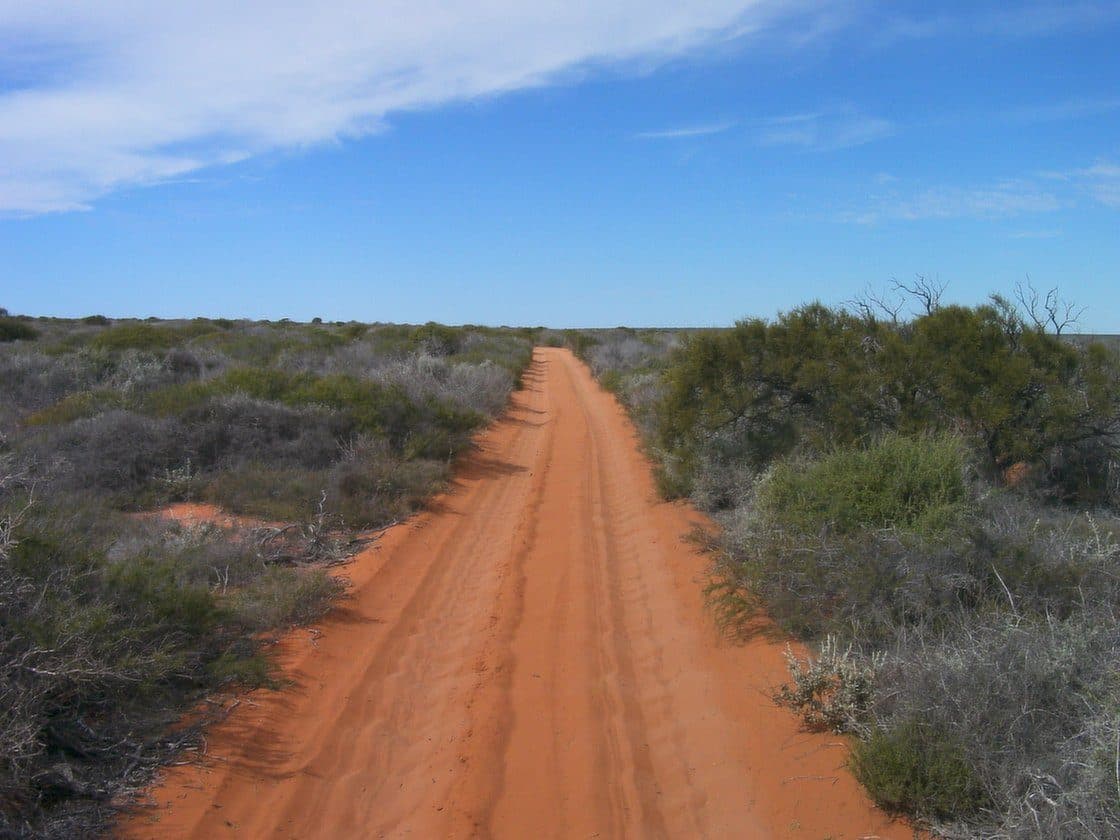
- Stay on the formed track.
- Do not invent a bypass that becomes next year’s erosion.
- Pack out rubbish, including the “it will burn” rubbish.
- Dogs, drones, and fires have local rules. Follow them.
- Give way to stock, horses, and people on foot.
- Closures are the visit, not an inconvenience on the way to the visit.
Why the magazine bothered
A 4WD is a tool that can cut a new drain in a hillside in an afternoon. Tread lightly is how the next convoy still has a track. Read outback driving for the technique that keeps you on the alignment.
Public reference
The Tread Lightly! principles are a useful public checklist. Australian parks and Traditional Owner rules override a slogan on a sticker.
Closures are information
A locked gate on a Parks Victoria alpine track, a QPWS sign on a beach system, a DBCA seasonal notice, or a Traditional Owner permit that has not come through is the visit. Driving around it is how tracks get permanently shut. That is the unfashionable sentence the magazine kept meaning.
If you are stuck, recover on the alignment or turn around. See recovery gear. If the line is doubtful, walk it. See outback driving. If the trip is remote, sit still when the weather says so. See remote travel.
Other users
Stock, horses, walkers, canoeists, and people who live there are not extras. Road trains on the Stuart, school buses on a shire road, and locals opening a gate to go to work have priority over your content calendar. Leave gates as you found them unless a sign says otherwise.
Travel and 20 camping destinations are orientation. They are not invitations to braid a new camp through a dune or a river flat. Pack out what you packed in.
Public ethic, local law
Tread Lightly! is a useful public checklist. Australian parks law, biosecurity, and Traditional Owner rules override it. This independent hub is not a regulator. The footer disclaimer says so on every public page.
Long-form notes for Tread lightly
This page — Tread lightly — is an evergreen hub on 4wdmonthly.com.au. It exists so a standing question has a home with a first-sentence answer, a long narrative, and links into children or siblings.
Australian 4WDing is a planning problem dressed up as a hobby. People search for a badge, a winch, or a destination and leave without a fuel number, a tide window, or a rated recovery point. This site’s job is to slow that down. Read outback driving skills if the weak link is skill. Read remote travel tips if the bag is theatre. Read beach driving if the trip has a place name. Read Hilux if the platform is the argument. Read Pioneer if a trailer is doing the sleeping.
Consider Geehi and the alpine river flats. The photos look simple. The work is not. You still need a season, a permit story, and a check-in person who knows when you are overdue. the local shire that actually signs the beach and Parks Victoria write rules this page will not override. Queensland Parks and Wildlife Service writes weather. A Facebook comment does not. Distances that look short on a wall map become long when a floodway is a river or a bowser is dry. That is why recovery gear sits beside every destination tease.
The same pattern shows up on the Stuart Highway as the bitumen you return to and the Victorian High Country around alpine parks. Soft sand wants pressures and momentum. Corrugations want a speed that still tracks. Water wants a walk before a commit. Night wants fatigue honesty. None of those sentences is a dare to a south-east Queensland forest after rain. If you cannot see the exit, get out. If you are already spinning, you are making the hole worse. If the gate is locked, the visit is the gate.
Used metal and trailers fail the same way: mass. A canopy, drawers, a fridge, four adults, and a kitchen you bolted on spend GVM. A camper spends the tow rating. Weigh things. Read the current manufacturer handbook. buying used and vehicles are orientation, not a crown. camperguide is a historic listing, not a podium. We will not invent a 2009 sticker or a 2026 RRP.
Ethics are not a spare-wheel slogan. Stay on the formed track on the Kimberley in the dry season. Do not invent a bypass that becomes next year’s erosion. Pack out rubbish. Give way to stock, road trains, and people who live there. Parks Australia and Traditional Owner rules overlay more than a sticker. Pair any place name with Queensland and tracks only as orientation, then verify the managing authority.
Internal links are the product. From here, keep articles, journal, and gear in the same sitting if you need the archive, a question stack, or a correction path. Forum and classifieds were not rebuilt. Classic PHP aliases 301 to evergreen slugs. Spam stubs return 410. That is the IA, said plainly.
What this page will not do: invent legal outcomes, medical rations, secret camps, or a #1 claim. What it will do: keep the URL, answer the question in the first paragraph, and send you to a parks page or a handbook before you air down. If a fact here ages, email the desk. If a vehicle is stuck, call a local recovery service or emergency number — not a magazine hub.
Field context for Tread lightly
This page — Tread lightly — is an evergreen hub on 4wdmonthly.com.au. It exists so a standing question has a home with a first-sentence answer, a long narrative, and links into children or siblings.
Australian 4WDing is a planning problem dressed up as a hobby. People search for a badge, a winch, or a destination and leave without a fuel number, a tide window, or a rated recovery point. This site’s job is to slow that down. Read tread lightly if the weak link is skill. Read remote travel tips if the bag is theatre. Read travel hub if the trip has a place name. Read LandCruiser if the platform is the argument. Read Ultimate if a trailer is doing the sleeping.
Consider NSW High Country and Kosciuszko approaches. The photos look simple. The work is not. You still need a season, a permit story, and a check-in person who knows when you are overdue. NT Parks and Wildlife and Parks Victoria write rules this page will not override. Queensland Parks and Wildlife Service writes weather. A Facebook comment does not. Distances that look short on a wall map become long when a floodway is a river or a bowser is dry. That is why outback driving skills sits beside every destination tease.
The same pattern shows up on a Simpson Desert crossing window and Geehi and the alpine river flats. Soft sand wants pressures and momentum. Corrugations want a speed that still tracks. Water wants a walk before a commit. Night wants fatigue honesty. None of those sentences is a dare to a NSW south-coast beach access. If you cannot see the exit, get out. If you are already spinning, you are making the hole worse. If the gate is locked, the visit is the gate.
Used metal and trailers fail the same way: mass. A canopy, drawers, a fridge, four adults, and a kitchen you bolted on spend GVM. A camper spends the tow rating. Weigh things. Read the current manufacturer handbook. vehicles and Patrol are orientation, not a crown. Pioneer is a historic listing, not a podium. We will not invent a 2009 sticker or a 2026 RRP.
Ethics are not a spare-wheel slogan. Stay on the formed track on the Kimberley in the dry season. Do not invent a bypass that becomes next year’s erosion. Pack out rubbish. Give way to stock, road trains, and people who live there. NSW National Parks and Wildlife Service and Traditional Owner rules overlay more than a sticker. Pair any place name with tracks and Queensland only as orientation, then verify the managing authority.
Internal links are the product. From here, keep about, journal, and contact in the same sitting if you need the archive, a question stack, or a correction path. Forum and classifieds were not rebuilt. Classic PHP aliases 301 to evergreen slugs. Spam stubs return 410. That is the IA, said plainly.
What this page will not do: invent legal outcomes, medical rations, secret camps, or a #1 claim. What it will do: keep the URL, answer the question in the first paragraph, and send you to a parks page or a handbook before you air down. If a fact here ages, email the desk. If a vehicle is stuck, call a local recovery service or emergency number — not a magazine hub.
Questions